
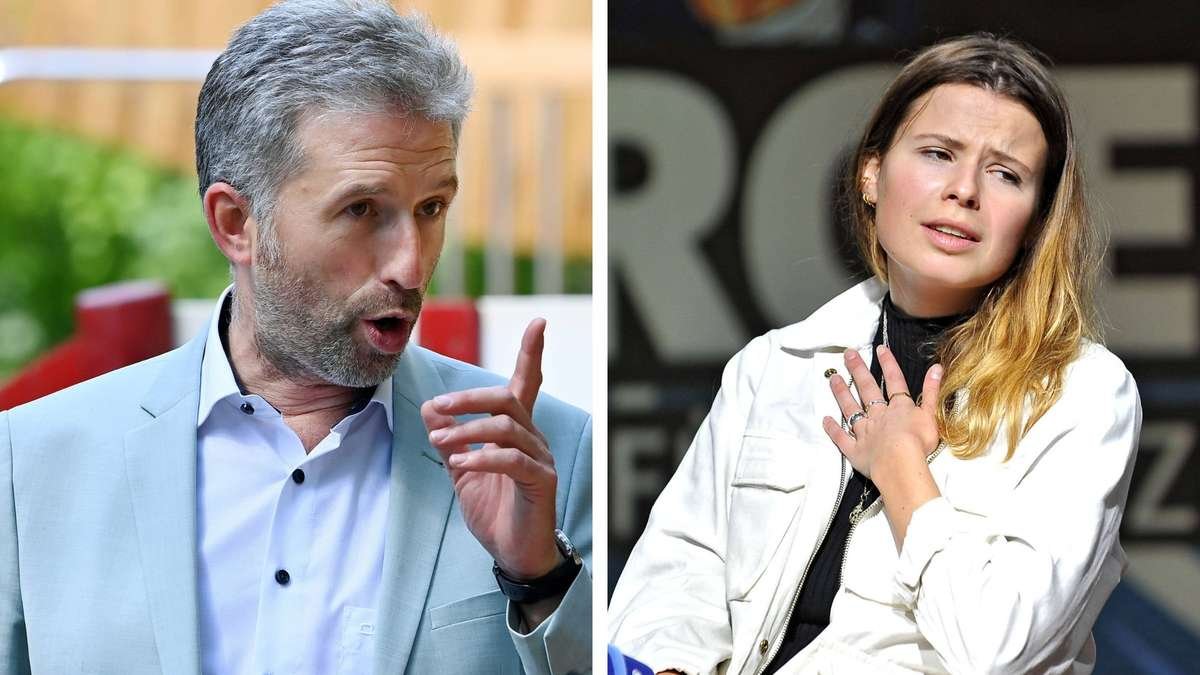
Magdalena Ruoffner is a German educator and author known for her work as a teacher of German, history, and civics. She is also recognized for her academic research on Nazi-era history, especially related to the euthanasia crimes carried out during the Third Reich.
In simple words, Magdalena Ruoffner is someone who works closely with education, memory, and democracy. Her professional life focuses on helping students understand history clearly, honestly, and responsibly. She is not a celebrity in the entertainment sense, but her name has gained wider public attention in recent years due to her academic work and her connection to public life in Germany.
Kurze Biografie
| Detail | Information |
|---|---|
| Full Name | Magdalena Ruoffner |
| Profession | Teacher, Author |
| Subjects Taught | German, History, Civics |
| Known For | Research on Nazi euthanasia programs |
| Country | Germany |
| City | Tübingen |
Early Life and Education of Magdalena Ruoffner
Magdalena Ruoffner grew up in Germany in an environment where education and social responsibility were highly valued. From an early age, she showed a strong interest in reading, language, and understanding how societies work. These early interests slowly shaped her future path as a teacher and historian. During her academic years, Magdalena Ruoffner focused on German studies, history, and civic education. Her studies were not limited to memorizing events. Instead, she explored how historical decisions affect people, ethics, and democracy. This deeper approach later became central to her teaching style.
Career as a Teacher and Educator
Magdalena Ruoffner works as a secondary school teacher in Tübingen, where she teaches German, history, and civics. Her role is not only to deliver lessons but also to help students understand why history matters today. In her classrooms, learning is practical and discussion-based. She encourages students to:
- Think critically about political systems
- Understand democratic values
- Recognize the dangers of discrimination and extremism
Instead of focusing only on exams, Magdalena Ruoffner emphasizes civic responsibility. Students are taught how laws work, why constitutional rights matter, and how individuals can contribute to a healthy democracy. Her teaching style reflects a modern educational approach in Germany, where schools play an important role in shaping informed and responsible citizens.
Academic Work on Nazi History and Grafeneck
One of the most important parts of Magdalena Ruoffner’s professional work is her research on Nazi-era crimes, especially the euthanasia program carried out during the Third Reich. Her well-known academic publication focuses on Grafeneck, a site where thousands of disabled and vulnerable people were murdered. This work is significant because it addresses a topic that was ignored or silenced for many years. Ruoffner’s research explains:
- How the euthanasia program was organized
- Who the victims were
- How ordinary institutions became part of mass crimes
Her writing is clear and educational rather than sensational. It is often used in schools and academic discussions to help people understand how such crimes were possible.“Remembering victims is part of protecting human dignity today.” This research shows her strong belief that historical awareness is a moral duty, not just an academic task.
Public Attention and Media Interest
Magdalena Ruoffner gained wider public attention not because of self-promotion, but due to public discussions around education, history, and politics. Her name appears in media mainly in connection with her professional work and her role as a public figure’s spouse. Despite this attention, she maintains a low public profile. She does not seek interviews or social media fame. This has led many people to search for information about her, trying to understand who she is beyond headlines. Her approach reflects professionalism and privacy, which is increasingly rare in today’s attention-driven world.
Personal Life and Family
Magdalena Ruoffner lives in Tübingen with her family. She is married and is also a mother. While her personal life sometimes attracts curiosity, she keeps it separate from her professional identity. She continues to focus on education, teaching, and family life rather than public debate. This balance shows that her main priority remains meaningful work and personal values, not public recognition.
Why Magdalena Ruoffner Matters Today
Magdalena Ruoffner matters because she represents the importance of education, memory, and responsibility in modern society. At a time when misinformation and historical denial are growing, her work reminds us why accurate teaching and honest history are essential.
Her career shows that:
- Teachers play a key role in democracy
- History education protects future generations
- Quiet work can have long-lasting impact
She may not be widely known internationally, but her influence is felt where it matters most: in classrooms and minds.
Frequently Asked Questions About Magdalena Ruoffner
1. Who is Magdalena Ruoffner?
Magdalena Ruoffner is a German teacher and author known for her work in history education and research on Nazi-era euthanasia programs.
2. Why is Magdalena Ruoffner famous?
She is known for her academic work, her role as an educator, and public interest related to her professional and personal background.
3. What does Magdalena Ruoffner teach?
She teaches German, history, and civics, focusing on democratic values and historical awareness.
4. What is Magdalena Ruoffner’s book about?
Her research focuses on the Nazi euthanasia crimes at Grafeneck, explaining how these crimes happened and why remembrance matters.
5. Is Magdalena Ruoffner active on social media?
No, she keeps a low public profile and does not actively seek online or media attention.
Mher Lesson: friederike sirin scheidung